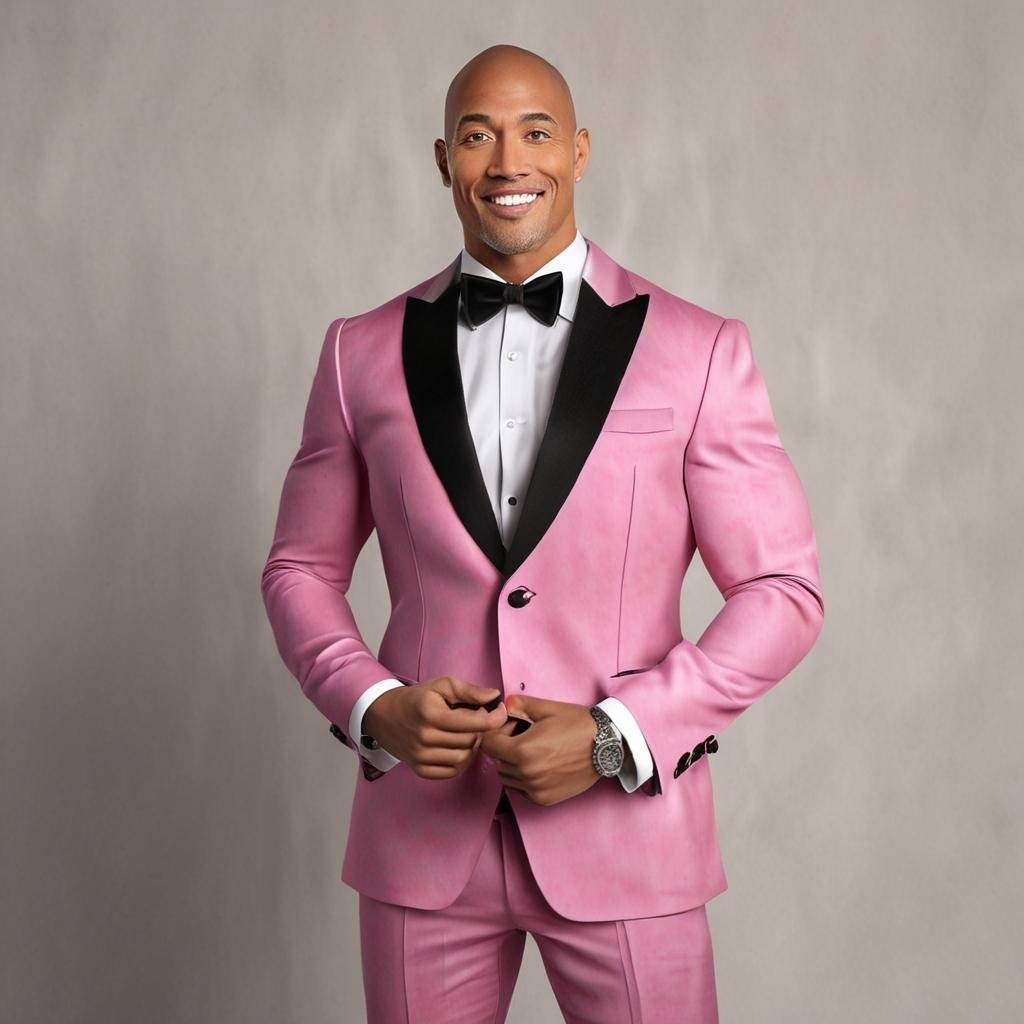
Custom Classic Suit Collection
Bespoke Made-To-Measure One or Two Button Suit's Starting At $329

3 Piece Suits
All Custom Made-To-Measure Suits & Tuxedos Just $329. USE CODE CAPOSFEVER AT CHECKOUT FOR GIFT + DISCOUNT. Dismiss



That said, the real question is how bonuses affect your expected value once you factor in the levy. And this is where DonBet’s offer gets interesting for the mathematically inclined.
Take the standard 100% match up to £100. On paper, it looks like a free £100. But you’re actually paying for it through the 15% betting duty on your gross winnings. If you clear the wagering at a flat 2% house edge, the expected loss is around £4 per £200 staked. Subtract the tax on winnings, and the bonus edge drops from 100% to roughly 85%. Still positive, but not the headline number.
The real trap is the **wagering requirement itself**. Most UK-facing offshore sites run a 35x or 40x rollover. With a £100 deposit and £100 bonus, that’s £7,000–£8,000 in turnover. At a 2.7% game advantage, the expected cost is £190–£215. So the **bonus actually carries negative expected value** before you even touch the slot. The tax just makes it worse.
Compare that to a licensed UK operator. They don’t deduct tax at source, but they also rarely offer deposit bonuses above £50. The EV math shifts. On a £50 bonus with 20x wagering, the expected cost is around £27, leaving a positive edge. So if you’re chasing value, a regulated .co.uk site might actually be the smarter play despite the smaller headline offer.
Now let’s talk about the withdrawal side, because that’s where DonBet’s offshore status starts to pinch.
When you win, you pay the 15% levy on net winnings per withdrawal. Say you hit a £1,000 jackpot. You don’t get £1,000. You get £850. And that’s assuming you haven’t cycled through bonuses that already ate into the profit. For a casual player, that’s an annoyance. For a systematic bonus hunter, it’s a serious hole in the expected value.
Here’s a quick breakdown of how different withdrawal amounts look after the levy:
| Withdrawal amount | Tax deducted (15%) | You receive |
|——————-|——————–|————-|
| £100 | £15 | £85 |
| £250 | £37.50 | £212.50 |
| £500 | £75 | £425 |
| £1,000 | £150 | £850 |
| £5,000 | £750 | £4,250 |
The bite gets bigger with larger wins. But there is a nuance. The levy applies to **net winnings from that withdrawal request**, not lifetime profits. So if you’ve lost more than you’ve won over a month, you don’t pay tax on a small cashout that doesn’t exceed your total deposits. That’s a crucial detail. It means the tax is effectively a tax on sessions that end in profit, not a blanket charge.
So the practical strategy becomes obvious: **withdraw only when you’re ahead, and keep your profit-taking frequent**. If you let winnings ride and then cash out a large chunk, you hand over more to the levy. On the flip side, if you withdraw small amounts after each winning session, the tax stays proportional but you control the timing. It doesn’t reduce the rate, but it stops you from giving back the tax on money you’ll likely lose again tomorrow.
That leads to a bigger point about site selection for UK players who actually crunch numbers.
The trade-off between DonBet and a fully licensed operator isn’t about trust — it’s about **net expected value**. DonBet offers higher table limits, faster payouts, and fewer restrictions on bet sizes. The absence of GamStop also matters if you’ve self-excluded elsewhere and want to play legally. That’s a real advantage. But you pay for it through the levy and the fact that bonus terms are written to protect the house more aggressively than they are on regulated sites.
If you’re purely chasing value, you need to run the numbers on every promotion. And DonBet’s ongoing offers are rarely worth it after tax.
Take the weekly reload bonus. It’s usually a 50% match up to £50 with a 30x rollover. That’s £2,500 in wagering on a £75 total bankroll. At a 3.5% slot hold, expected cost is £87.50. You’re paying £87.50 to get £50 in bonus money. Negative EV from the first spin. The only way to justify it is if you’re playing high-volatility slots with a chance of a big win that clears the wagering before the variance flattens out. But on average, it’s a losing proposition.
The exceptions are the **live casino offers**, because they usually carry a lower margin and the wagering contribution is often 10% or less. That means the rollover effectively balloons, and you’re stuck with a worse deal than slots. DonBet does have some blackjack contributions, but they’re not generous. So if you’re a table player, the bonus math is almost never in your favour.
Now let’s talk about the games themselves, because DonBet’s selection is actually solid.
You’ll find the usual suspects: NetEnt, Pragmatic Play, Hacksaw Gaming, and Evolution for live dealer. The slot library is deep, with over 3,000 titles. The search filters work well, and the new games section updates regularly. But there’s a catch — **the RTPs shown on the site are often lower than the versions on licensed UK sites**. This is a known practice among offshore operators. They sometimes opt for a slightly lower RTP to compensate for the tax deduction. It’s not all games, but you’ll spot it if you compare the same slot at DonBet and, say, a 32Red or a Sky Vegas.
That difference is usually around 1–2%. Over a long session, that’s worse than the levy. So while the game choice is big, the effective return is worse than regulated rivals. You’re trading lower RTPs for higher limits and no GamStop. For a recreational player, that’s a losing deal. For an experienced punter who knows exactly which games have sharp RTPs and who plays rarely, it can still work.
Let’s also mention the live casino, because Evolution’s games are streamed from studios outside the UK. That means **the same tables you’d see at Bet365 are not the same RTP**. Evolution’s blackjack variants offered to offshore operators can have different rules, often slightly worse. Not dramatically, but noticeable. If you’re a card counter, live dealer games shuffle frequently, so that’s moot. But the rules still eat into the edge.
DonBet also has a sportsbook, and that’s where the tax gets really annoying. The 15% levy applies to net winnings on bets as well. So if you back a 4/1 winner with a £10 bet, you win £40. But the payout is reduced to £34. That’s a massive difference for a regular bettor. In fact, for sports betting, the tax makes DonBet almost unusable for anyone who bets at even odds. You’d need to win more than 58% of your bets just to break even, accounting for the 15% deduction on profits. That’s far above the bookmaker’s margin.
For casino, the tax is less brutal because the game edge is lower than the sportsbook hold. But it still stings.
Let’s look at a practical comparison for a typical month of play. Take a player who deposits £200, gets a £100 bonus, plays slots for a week, and wins £600 before wagering is complete. They cash out after clearing the rollover, which takes another £5,000 in bets. The bonus clears, but the bankroll is down to £350. They withdraw £350. The levy on the net withdrawal (assuming total deposits minus withdrawals is positive) is £52.50. The actual profit is £97.50, not £150. If that same player had played at a licensed site without the bonus, they might have paid a lower effective cost and kept more.
So DonBet is only worth it if you have a specific reason: you’re blocked on UKGC sites, you want to play with Bitcoin, or you’re chasing a specific game library that’s not available elsewhere. Otherwise, the math points elsewhere.
One more thing — the **withdrawal speed**. DonBet often processes within a few hours for crypto, and 24–48 hours for bank transfer. That’s genuinely good. The UKGC sites can take up to 72 hours. But again, the tax takes the shine off.
Now let’s answer a few questions that come up repeatedly on forums and in player groups.
No. The 15% levy applies only to net winnings on a single withdrawal. If you’ve deposited more than you’ve withdrawn over time, you won’t pay anything. But once you’re in profit, each cashout is taxed on the amount that exceeds your lifetime deposits minus previous withdrawals. It’s a simple rule, but most players don’t track it accurately.
It’s licensed in Curaçao, not the UK. That means no GamStop access, but also no UKGC protection. Your money is kept in segregated accounts, according to the license terms. The bigger risk is that you don’t know whether the RTPs are audited. DonBet does publish some certificates, but they’re not as transparent as eCOGRA-approved UK sites.
Yes, because DonBet isn’t registered with GamStop. That’s exactly why some players choose it. But it also means you don’t get the same responsible gambling tools. For someone who self-excluded because of a real problem, playing at a site like this is a bad idea. But for a punter who wants to opt out temporarily, it’s a grey area.
The minimum is usually £20 for bank transfers and £10 for crypto. There’s no maximum, but larger withdrawals go through manual review. Expect a wait if you’re cashing out more than £5,000.
Yes. Most bonuses don’t count live dealer games toward wagering, or they count at 10%. Some specific promotions do cover live games, but the requirements often jump to 60x. Check the terms on each offer before you deposit.
DonBet isn’t a scam site. It’s not a rogue casino either. It’s a competent offshore operator that fills a niche for players who want to avoid GamStop and want quick crypto payouts. But the 15% levy turns what looks like a competitive bonus into a mediocre deal. And once you factor in lower RTPs, the true value falls further behind licensed UK brands.
If you’re a casual player who hits a deposit bonus once a month, the difference is small. You might lose an extra 5–10% of your bankroll over a year compared to a UKGC site. But if you’re serious about expected value, that’s a massive leak. The only rational approach is to treat DonBet as a **convenience option**, not a value option. Deposit there when you want fast action without the brakes, but never chase the bonus money. And always withdraw after a win, because the tax is the price you pay for that freedom.
No account yet?
Create an AccountPlus, Be the first to know the latest news
[wpforms id="57265" title="false"]